
How to track price drops (and know when to buy)
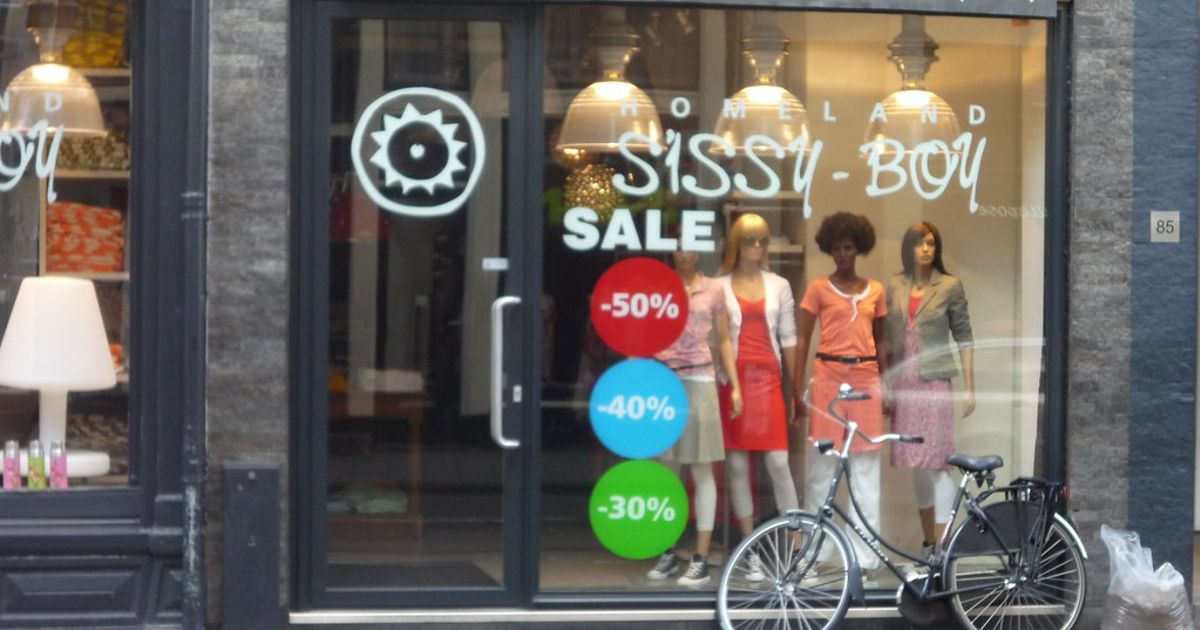
Online prices change constantly. The same TV, blender or pair of shoes can be noticeably cheaper one week than the next, and a big red "SALE" tag doesn't tell you whether today's price is actually good. Tracking prices takes a few minutes of setup and can save you real money, especially before the holidays.
- Look at an item's price history before you trust a 'sale' price.
- Set alerts on the few things you actually plan to buy, with a target price.
- Compare the final price, including shipping, tax and the cost per unit.
Step 1: Make a short list
Price tracking works best for planned purchases, not impulse buys. Write down the items you expect to buy in the next one to three months, with the exact model numbers. Model numbers matter: retailers sometimes sell a slightly different version (a "derivative" model) of a TV or appliance for sale events, which makes direct comparisons harder.
Step 2: Check the price history
Many browser extensions and price-history websites show a chart of what an item has sold for at big retailers. When you look at the chart, ask three questions:
- What is the lowest price in the last few months?
- How often does it go on sale, and for how long?
- Was the "regular" price ever really charged, or was it always "on sale"?
If an item has been "40% off" for months, that discount is the normal price. Our guide on how to tell if a sale is real covers this in more detail.
Step 3: Set alerts with a target price
Pick a target price from the history, usually at or near the recent low, and set a drop alert. Good places to set alerts:
- Price-tracking tools and extensions that email you when a price drops below your target.
- Store wish lists and "save for later" carts, which some retailers use to send price-drop notices.
- Deal sites and forums, including our daily deals page, for limited-time drops.
Step 4: Compare the real final price
A lower sticker price isn't always cheaper. Before you buy, compare the total with shipping and tax, the seller (third-party marketplace sellers may offer different warranties and return terms), and the return window. For groceries and household goods, compare the unit price instead of the package price.
Step 5: Know your timing
Some categories tend to get their biggest discounts at predictable times, such as electronics and appliances around Black Friday and other major sale events. If your item isn't urgent and a big sale event is a few weeks away, waiting can make sense. If you need it now, buy it at a fair price and keep your receipt in case the store offers a price adjustment (see our price adjustment guide).
Watch out for
- Fake shopping sites that show prices far below everyone else. Check the seller first (how to spot fake shopping sites).
- Price-tracking extensions that ask for too many permissions. Only install well-reviewed tools from your browser's official store, and remove ones you don't use.
Planning holiday shopping? See our Black Friday 2026 plan.
Published October 26, 2026. We do not use affiliate links on this page; see our Affiliate Disclosure.