
Mistakes to Avoid After a Disaster to Protect Your Finances
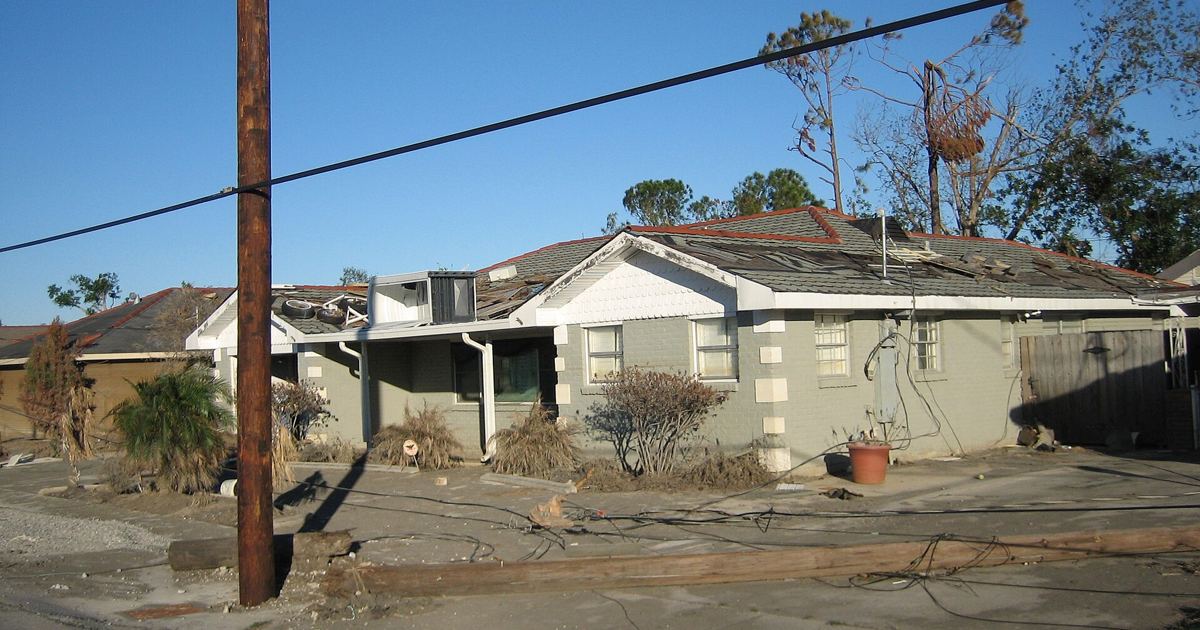
Surviving a natural disaster is traumatic, and once immediate physical safety and basic needs are secured, households face an overwhelming set of financial and property decisions. From tracking down paperwork to handling damaged belongings, missteps in the initial days and weeks can trigger unnecessary charges, damage your credit history, or stall your recovery. According to the Consumer Financial Protection Bureau (CFPB) disaster recovery guide, being proactive with insurers and lenders is critical to avoiding extra fees and protecting your legal rights while you rebuild.
Mistake 1: Delaying Insurance Claims and Skipping Photo Documentation
One of the costliest errors property owners make is waiting too long to alert their insurers. Insurance policies often require policyholders to file a claim within a certain period of time following an incident. Depending on your situation, you may hold multiple separate policies covering damaged items, such as standard homeowners, car, earthquake, fire, or flood insurance.
Contact every company handling your affected property right away. If your paper records were lost or damaged, request a fresh copy of each policy so you can verify exactly what perils and property damages are covered. Furthermore, never begin cleaning up or repairing structures without comprehensive records:
- Capture clear photos or videos of all destruction before making any temporary or permanent repairs.
- Take additional photos and videos after completing any self-performed emergency repairs.
- Request written reasons and ask about formal appeals processes if an insurer denies coverage or offers less than what you believe is owed under the contract.
Once you file, the insurer may dispatch an adjuster to inspect the damage. Keep in mind that state law may establish specific deadlines for insurance companies to process claims. If you run into unreasonable delays or suspect an improper claim denial, you can reach out to your state insurance commissioner or department of insurance to file a complaint.
Mistake 2: Assuming Property Destruction Halts Mortgage and Loan Obligations
A widespread assumption among disaster victims is that severe damage to a house or vehicle temporarily pauses debt obligations. In reality, physical damage does not relieve you of your legal duty to pay your mortgage or auto loan. Failing to make payments without contacting your creditors can lead to delinquency marks, late penalties, and added financial strain.
Instead of halting payments silently, contact your mortgage servicer immediately to explain the hardship. Relief options depend directly on who owns or guarantees your mortgage, but servicers frequently offer repayment plans or forbearance arrangements. If you need objective guidance on navigating relief, you can connect with a HUD-approved housing counseling agency by calling (855) 411-CFPB (2372). Similarly, call your auto lender to ask about hardship programs, forbearance, or add-on products that disaster events might activate.
Mistake 3: Letting Inactive Utilities Run Up Unnecessary Bills
When a home sustains severe damage that leaves it uninhabitable, continuing your usual utility arrangements is an avoidable financial drain. Paying for services you cannot consume diverts money away from emergency shelter, food, and urgent repairs.
Contact your utility companies, including your electricity provider and heating service company, to officially suspend your service accounts until your home is livable again. For low-income households struggling with basic energy costs during a crisis, help may be available through your tribal or state Low Income Home Energy Assistance Program (LIHEAP) office.
Mistake 4: Overlooking Government and Nonprofit Relief Resources
Navigating applications can feel daunting during recovery, but passing up emergency relief leaves vital money on the table. If your region is designated as a presidentially declared disaster area, the Federal Emergency Management Agency (FEMA) manages federal assistance covering various damage types not reimbursed by private insurance.
You can apply online at DisasterAssistance.gov (available in English and Spanish) or apply by calling (800) 621-3362 or (800) 462-7585 (TTY). Even if your community does not have a presidential declaration, your state emergency management agency may provide independent resources. For immediate humanitarian relief, the Red Cross can be reached at (800) RED-CROS to locate shelters and emergency supplies, while local community organizations often distribute vouchers for food, clothing, and essential personal goods. Watch out for bad actors during this phase as well; review our post-disaster scam checklist to avoid recovery fraud.
Mistake 5: Failing to Request Student Loan Disaster Forbearance
Borrowers carrying educational debt frequently overlook relief provisions tied specifically to emergency declarations. Under federal rules detailed by the CFPB guidance on post-disaster finances, if you live or work in a federally declared disaster area and hold federal student loans, you can request disaster forbearance for up to 90 days. While in forbearance, your mandatory payments are paused. Keep in mind that interest will continue to accrue during these 90 days and must be repaid eventually, but pausing monthly payments can free up vital cash. Non-federal borrowers should reach out to their private loan servicers to inquire about individual hardship options.
Mistake 6: Neglecting Credit Reports After Setting Up Relief Agreements
When you negotiate temporary relief—such as an adjusted payment plan, interest rate reduction, or paused billing—clerical mistakes can happen. If a lender mistakenly logs a pre-arranged pause as a delinquent or missed payment, your credit score can suffer significant damage.
Check your credit files through AnnualCreditReport.com to ensure lenders report disaster concessions accurately. Federal law allows you to pull a free report from each of the three nationwide credit reporting companies at least once every 12 months. Furthermore, through the end of 2026, consumers can obtain six extra free credit reports every 12 months directly from Equifax. If you spot reporting mistakes or improper late statuses, read our guide on disputing a credit report error to file free corrections directly with both the credit bureau and the furnisher.
Sources
Published October 31, 2026. No affiliate links on this page. Facts come from the sources linked above; check them for updates.