
Post-Disaster Scam Checklist: How to Avoid Fraud and Overpaying
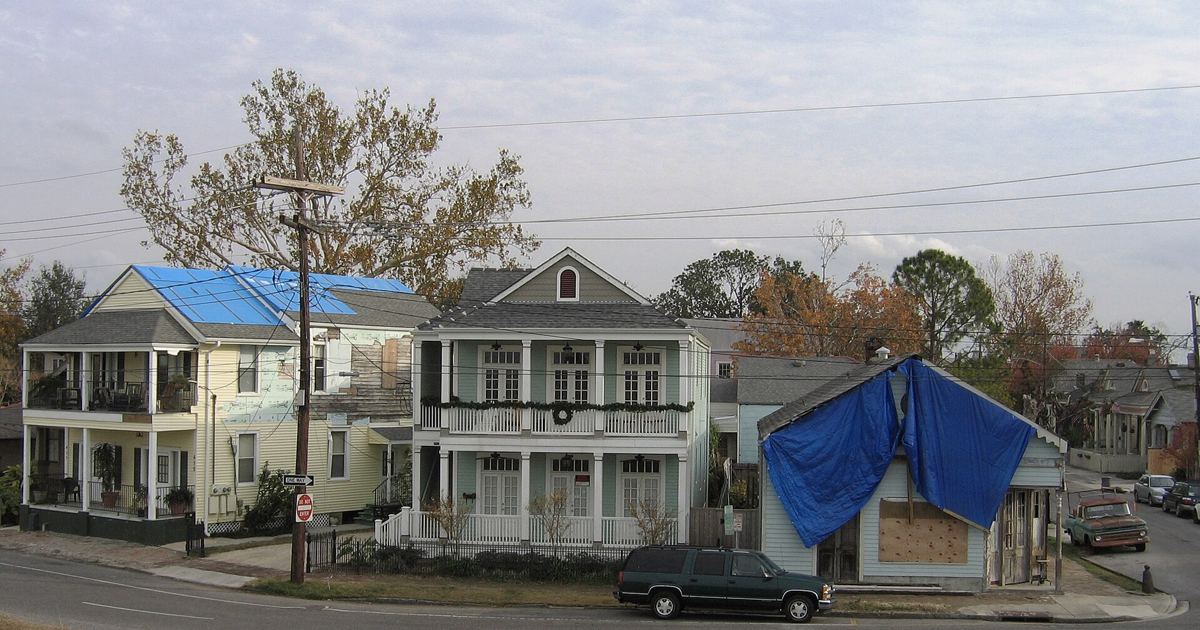
Natural disasters create immediate confusion, especially when severe storms knock out residential power lines, cell towers, and internet access. Scammers frequently target households during these vulnerable hours because limited connectivity makes it hard to research unfamiliar companies or verify unexpected visitors. Following a structured verification checklist helps protect your family, personal identity, and repair funds while you rebuild.
Contractor Verification: Questions to Ask Before Hiring
Unsolicited workers often arrive at damaged properties offering quick debris removal, tree clearance, or emergency roof tarping. High-pressure sales pitches and demands for an instant commitment are major warning signs. Homeowners should stop, investigate, and never sign an agreement without reading and understanding every term. To help evaluate anyone offering repair services, go through this checklist before agreeing to work:
- Can I see your official identification and your contractor's license?
- Can you provide three recent recommendations from homeowners in the area?
- How long have you been in business?
- Does the written estimate match every verbal promise made regarding repair timelines and materials?
If an individual avoids answering basic questions or hands over paperwork with blank sections or missing terms, decline the offer immediately. As detailed in the Consumer Financial Protection Bureau's post-disaster fraud guidance, written contracts must reflect the exact verbal promises made before any repairs begin.
Official Badges: Spotting Government Impersonators
Con artists frequently pose as building inspectors, insurance adjusters, law enforcement personnel, or bank officers to gain trust. Scammers can easily fake uniforms, shirts, and official-looking titles. Always ask for credentials, and contact the agency directly using a verified telephone listing to confirm employment before permitting anyone onto your property.
Federal Emergency Management Agency personnel, including home inspectors, carry official laminated photo identification cards. Never rely on someone who simply wears a jacket or shirt showing an agency emblem without an official laminated badge. Legitimate federal and state representatives will never ask for or accept cash payments. Government agencies do not charge fees to file relief paperwork, evaluate home damage, or provide disaster assistance. If you have questions about whether an inspector represents the federal government, call the agency at (800) 621-3362.
Payment Safeguards: Unsafe Transfer Methods and Gouging
Devious operators often use artificial scarcity tactics, claiming that construction supplies are disappearing fast or that prices will double tomorrow unless you pay right away. Others promise to move your repair work to the front of the line in exchange for an instant upfront fee. These high-pressure tactics are frequently paired with requests for untraceable payment methods.
Never pay for emergency work using a wire transfer, cash, virtual currency, or retail gift cards. Paying with these methods makes recovering lost funds nearly impossible if the contractor vanishes without completing the project. For deeper context on non-refundable payment tricks, review our guide to spotting and protecting against gift card scams. Always withhold the final payment balance until all contracted repairs are completed to your full satisfaction. If an opportunistic supplier or seller dramatically inflates the cost of essential goods or services during an emergency, submit a complaint to your state attorney general.
Credit and Identity Defenses: Freezes and Fraud Alerts
Emergency assistance applications frequently require sensitive personal details. Identity thieves take advantage of recovery operations to intercept personal records or trick homeowners into revealing their Social Security numbers. Securing your credit files makes it difficult for criminals to open fraudulent lines of credit in your name.
Under federal law, you have the right to freeze and unfreeze your credit record for free at the three nationwide credit reporting companies: Equifax, TransUnion, and Experian. For detailed instructions on managing these protections, see our walkthrough on how credit freeze rules work step by step. You can also establish a fraud alert on your credit file for one year, which requires creditors to verify your identity before approving new loans. Victims of documented identity theft can place an extended fraud alert that remains active for seven years.
Charity Appeals, Robocalls, and Mortgage Scams
Deceptive donation appeals spike dramatically following catastrophic events. Fraudulent groups regularly set up fake charities using names that sound almost identical to established relief organizations. Bad actors also utilize live streaming features on social media and generate artificial intelligence photos of storm damage to solicit donations through virtual currency.
Homeowners facing property loss must also stay alert to mortgage modification and foreclosure relief scams. Dishonest operators offer to negotiate loan relief for an upfront fee. Never pay an outside business to contact your lender. Mortgage servicers routinely offer disaster forbearance programs and hardship plans directly to borrowers. If you need help managing mortgage discussions, consult an attorney or an approved housing counselor. Additionally, ignore automated robocalls claiming to deliver government grants or flood insurance policies in exchange for personal bank routing numbers.
Disaster Tracking and Reporting Suspected Fraud
Staying informed about active rumors prevents panic and financial errors. The federal government publishes disaster-specific rumor control web pages to debunk emerging claims and clarify emergency policies. You can locate official updates on the agency website by searching the specific disaster name along with the word rumors. If you encounter deceptive sales practices, unlicensed operations, or storm-related fraud, report the activity to the National Center for Disaster Fraud by calling the Disaster Fraud Hotline at (866) 720-5721, or notify local law enforcement and state officials.
Sources
How do I avoid scams and fraud after a disaster? | Consumer Financial Protection Bureau
Published October 28, 2026. No affiliate links on this page. Facts come from the sources linked above; check them for updates.