
What Questions Should I Ask About Flood and Disaster Risk When Buying a House?
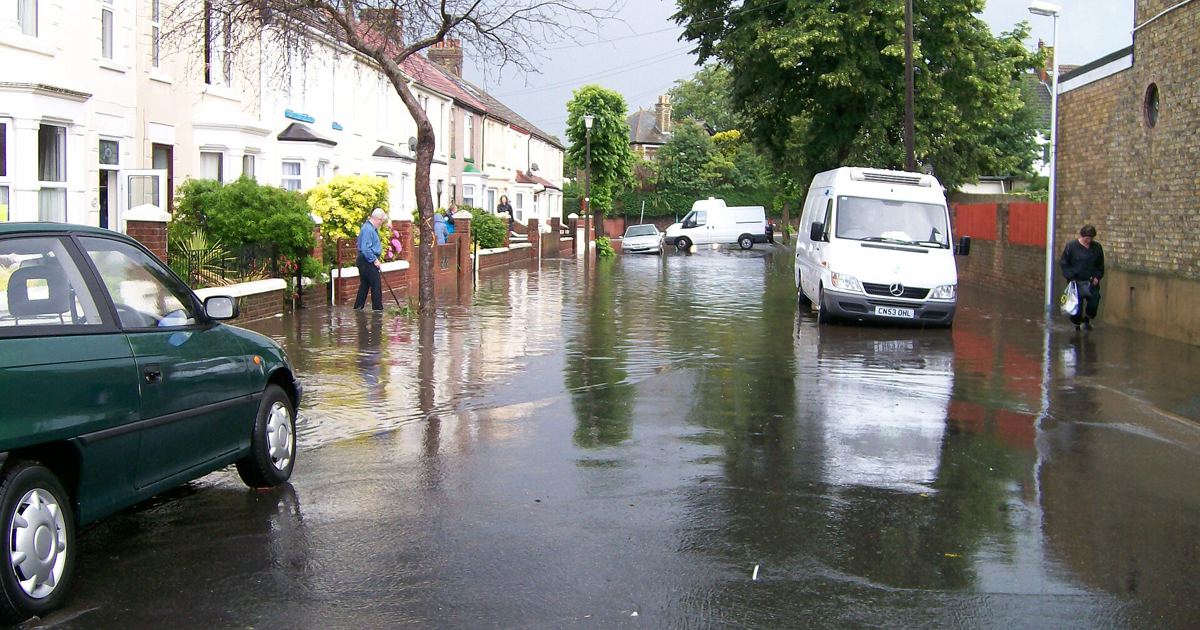
Natural disasters can cause severe damage to a home and trigger unexpected expenses long after you move in. Before you make an offer on a property, you have the right to question the seller about risks tied to floods, wildfires, and other severe events. Taking the time to ask targeted questions helps you avoid closing headaches, unexpected insurance bills, and structural issues. Many states legally require property owners to provide disclosures about their home's condition, but you should also protect yourself by including an inspection contingency so your purchase only moves forward if the home passes an evaluation by a qualified inspector.
1. Will This Property Require Flood Insurance, and What Will It Cost?
Standard homeowner's insurance policies typically do not cover flood damage. If you take out a mortgage on a home located in a designated Special Flood Hazard Area (SFHA), your lender will generally require you to purchase a separate flood insurance policy. According to the Federal Emergency Management Agency (FEMA), properties in an SFHA face at least a one in four chance of experiencing a flood over the course of a 30-year mortgage.
Sellers are required to tell prospective buyers if flood coverage is mandatory. However, you should not assume your policy will cost the same as the current owner's policy. Even if the current owner pays a lower rate due to statutory caps on yearly rate adjustments, a new buyer must pay the full risk-based rate determined by FEMA standards. Keep in mind that flooding frequently occurs outside designated hazard areas as well, making insurance worth considering regardless of map boundaries. You can review guidelines and coverage details at the CFPB's guide on disaster risk questions for homebuyers and visit floodsmart.gov for federal insurance information.
2. Has the Home Suffered Past Disaster Damage, and How Was It Repaired?
A history of storm, flood, or wildfire damage indicates that the home sits in an area vulnerable to future incidents. When asking about prior events, request specific details about what occurred and how repairs were handled:
- Examine the quality of past repairs: Have your building inspector specifically evaluate any repaired areas. Work completed improperly can create lingering structural defects or mold problems.
- Check future disaster aid eligibility: If an earlier homeowner accepted federal disaster assistance, you as the new owner may be required to maintain flood insurance on the property to stay eligible for future federal disaster grants.
- Prepare for higher premiums: A history of past insurance claims on a property often drives up the future cost of insuring that home.
For more steps on handling repairs and contractor vetting after severe weather, see our guide on how to avoid fraud and overpaying after a disaster.
3. What Steps Have Been Taken to Mitigate Future Hazards?
Ask the seller what physical improvements have been completed to protect the structure against natural events. Upgrades vary in their upfront cost and overall effectiveness, but retrofits can lower the chance of severe damage and may also reduce ongoing utility or insurance expenses. FEMA provides detailed recommendations on shielding structures from wildfire and flood damage. Finding out whether a previous owner added protective barriers, elevated critical equipment, or installed fire-resistant materials gives you insight into the home's defensive state.
4. What Coverage Does the Seller Currently Have, and Have Policies Been Canceled?
The current owner's insurance status reveals whether private insurers consider the house high risk. Homeowners who cannot find policies in the regular market often turn to state-run Fair Access to Insurance Requirements (FAIR) plans or end up with lender-placed, force-placed plans as a last resort. If the seller relies on a FAIR plan or force-placed policy, you will likely face similar challenges securing private, affordable protection.
Similarly, ask if the seller has experienced an insurance nonrenewal within the last five years. Nonrenewals occur frequently in specific geographic areas and indicate that finding a carrier may be expensive or difficult. If the home has no mortgage and the current owner chose to self-insure because premiums were too steep, take that as a clear warning sign of high coverage costs. You can explore how past coverage impacts future rates in our article on how auto and homeowners insurers share claim history.
5. What Are the Ongoing Utility and Water Realities?
Operating costs can rise significantly during severe climate conditions. Ask the seller for average monthly utility bills to evaluate the efficiency of the home, especially as cooling costs increase during extreme weather. Furthermore, ask about water reliability, cost, source, and quality. Properties located in arid climates may encounter restricted water access or expensive municipal rates, and annual rainfall shifts can restrict availability. Coastal properties face risks from saltwater intrusion, while other locations might struggle with contaminated water supplies.
6. How to Research Property Hazards Online
Do not rely solely on seller disclosures. Public resources can provide independent data on local natural hazards before you finalize an offer. Check several government and private mapping tools, including the FEMA National Risk Index, the USDA Wildfire Risk to Communities tool, Risk Factor, and Climate Check. Although the Consumer Financial Protection Bureau notes that nongovernment sources cannot be guaranteed for complete accuracy, cross-referencing multiple tools gives you a realistic view of physical risks.
Sources
Information on evaluating property hazards, flood insurance rules, and seller disclosures is based on guidance from the Consumer Financial Protection Bureau: What questions should I ask about flood and disaster risk when buying a house?.
Published November 9, 2026. No affiliate links on this page. Facts come from the sources linked above; check them for updates.