
Your eyeglass prescription is yours: how the FTC Eyeglass Rule lets you shop anywhere
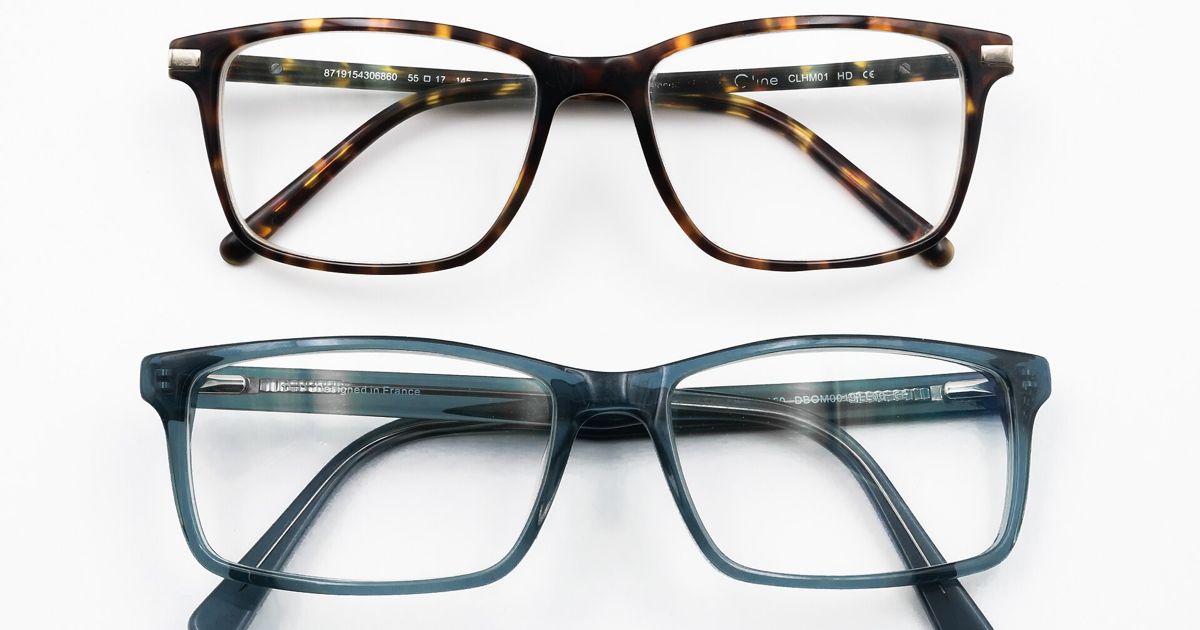
Glasses bought at the same office where you had your eye exam are convenient, but they aren't always the cheapest option. Online sellers, warehouse clubs and discount optical shops can cost a lot less. To use them, you need your prescription. A federal rule makes sure you get it.
- An optometrist or ophthalmologist must give you one copy of your prescription immediately after a refractive eye exam, whether or not you ask.
- They must do it before offering to sell you glasses.
- They can't charge an extra fee to release it or make the exam conditional on buying glasses from them.
- They can't make you sign a waiver of their liability, and a digital copy is allowed only with your verifiable consent.
What the rule says
Under 16 CFR 456.2, separation of examination and dispensing, it is an unfair practice for an ophthalmologist or optometrist to fail to give the patient "one copy of the patient's prescription immediately after the refractive eye examination is completed and before offering to sell the patient ophthalmic goods, whether or not the prescription is requested by the patient."
The same section also bars eye doctors from:
- conditioning a refractive eye exam on an agreement to buy glasses from them;
- charging "any fee in addition to" the exam fee as a condition of releasing the prescription; and
- putting a liability waiver on the prescription or making you sign one.
The one catch: paying for the exam
An eye doctor may hold the prescription until you've paid for the exam, but only if they would have required immediate payment even if the exam showed you didn't need glasses. Showing proof of insurance coverage counts as payment under the rule.
Paper or digital
The copy can be on paper, or in a digital format you can access, download and print. Under 16 CFR 456.3, digital prescription consent, a digital copy requires the prescriber to tell you the delivery method (such as text, email or a patient portal) and get your "verifiable affirmative consent." If you'd rather have paper, you can say so.
How to use it to save money
- Leave the exam with your prescription in hand before you look at frames.
- Compare the in-office price against online and discount sellers using the same prescription.
- If you need a pupillary distance measurement, ask about it up front; it isn't listed as a required item in the section quoted here.
- If you're asked to pay extra just to get the prescription, that's a fee the rule prohibits.
Wear contacts? There's a separate rule. See our guide to your contact lens prescription rights. More ways to compare prices: our price-tracking guide.
General consumer information, not legal or medical advice.
Published November 9, 2026. We do not use affiliate links on this page; see our Affiliate Disclosure.