
Disaster Mortgage Fee Breakdown: Pausing Payments and Avoiding Penalties
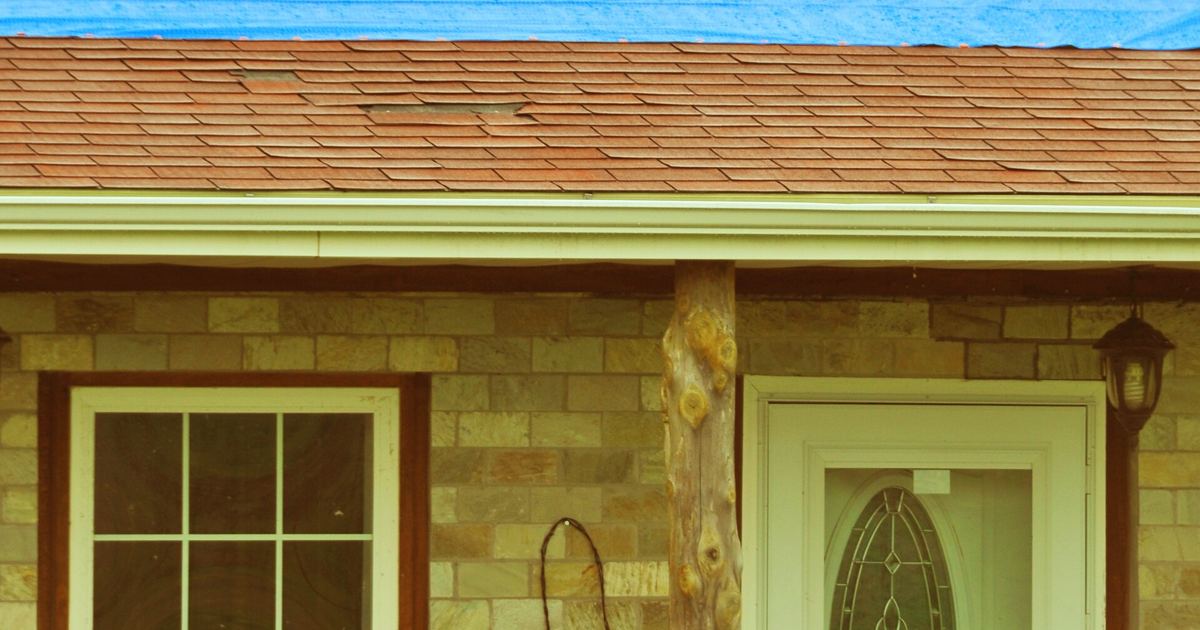
When a natural disaster damages or destroys your house, dealing with immediate safety and shelter takes priority. However, surviving property damage does not instantly stop your financial obligations. According to the Consumer Financial Protection Bureau (CFPB), you still have to pay your mortgage after a disaster strikes. Falling behind without contacting your lender can quickly trigger costly late penalties, credit harm, or even the start of foreclosure proceedings. Navigating this crisis requires taking deliberate steps to pause payments, seek fee waivers, and apply for government aid.
The Immediate 3-Step Recovery Action Plan
The CFPB outlines three initial actions you must complete to start recovering financially after your house sustains disaster damage:
- Step 1: File an insurance claim. Contact your homeowners insurance provider immediately to open a formal claim for the damage.
- Step 2: Apply for government aid. Submit applications for disaster recovery assistance with relevant government agencies.
- Step 3: Call your mortgage servicer. Inform the company collecting your monthly bill about what happened. If you are unable to make payments, request an adjustment to your terms so you do not accumulate extra fees or face foreclosure.
Taking these steps early helps you avoid unnecessary expenses. For related financial protection tips, you can also review our post-disaster scam checklist to avoid fraud while repairing your property.
Cost and Fee Breakdown: Late Charges, Forbearance, and Relief
Disaster assistance is not uniform. Understanding which costs you face and which penalties can be waived will help you negotiate with your servicer:
- Late Fee Waivers: Missing a payment deadline typically leads to punitive late charges. When speaking to your servicer, explicitly ask: “Can you waive late fees?” Servicers have the ability to waive these charges during disaster hardship.
- Payment Forbearance: If you cannot pay, ask your servicer for forbearance options to temporarily lower or pause your monthly payments. This stops delinquency fees from accumulating while you rebuild.
- Conventional vs. Backed Loan Discretion: If your mortgage is not insured or sponsored by entities such as Fannie Mae or Freddie Mac, any relief remains up to the loan's owner or servicer. Federal rules permit servicers to offer assistance during disasters, but they do not force them to do so.
Borrowers struggling with payments can also check our guide on what are late fees on a mortgage to see standard fee mechanics.
FEMA Lodging and Housing Expense Assistance
If disaster damage leaves your home inaccessible or uninhabitable, displacement costs can drain your bank account. The Federal Emergency Management Agency (FEMA) offers specific financial programs:
- Transitional Sheltering Assistance (TSA): Provides short-term lodging for eligible survivors needing shelter after temporary community shelters shut down.
- Hotel Reimbursements: Repays short-term lodging and hotel costs while displaced.
- Initial Rent and Security Deposit: Provides upfront rental funds plus a deposit to help you secure a place to live if returning home is impossible.
- Continued Rental Support: Up to 18 months of continued rental assistance for qualified applicants while repairs are underway.
- Replacement Aid: Financial support for destroyed properties to cover the extra costs of replacing a home beyond what your insurance pays.
Foreclosure Moratoriums and Government Loan Protections
Mortgages backed or insured by government programs provide stronger safety nets against foreclosure. Guidelines for government-insured or sponsored loans allow servicers to pause or halt foreclosure proceedings:
- Federal Housing Administration (FHA): If an FHA-insured mortgage becomes unaffordable due to a disaster, the lender can stop or delay foreclosure initiation for 90 days, an action called a foreclosure moratorium.
- Fannie Mae and Freddie Mac: Both maintain relief programs with disaster assistance guidelines to halt foreclosure actions.
- Department of Veterans Affairs (VA): Provides targeted disaster support and protections for veteran borrowers.
- USDA Rural Housing Service: Offers Rural Development Disaster Assistance for rural property loans.
As noted by the CFPB guidance on disaster payments, government programs often impose strict application deadlines. These deadlines are sometimes extended, so monitor agency websites regularly to verify the latest dates.
Reverse Mortgages and Avoiding Total Default
Homeowners with reverse mortgages face unique risks following a catastrophe. Reverse mortgage agreements require borrowers to maintain ongoing property obligations, including paying local taxes and hazard insurance premiums. If a storm prevents you from keeping up with these charges, you risk default. Contact your reverse mortgage servicer right away to explore available relief resources before any legal actions take place.
Sources
Published October 31, 2026. No affiliate links on this page. Facts come from the sources linked above; check them for updates.