
Buying a Prepaid Card at a Store: In-Store Quick Reference
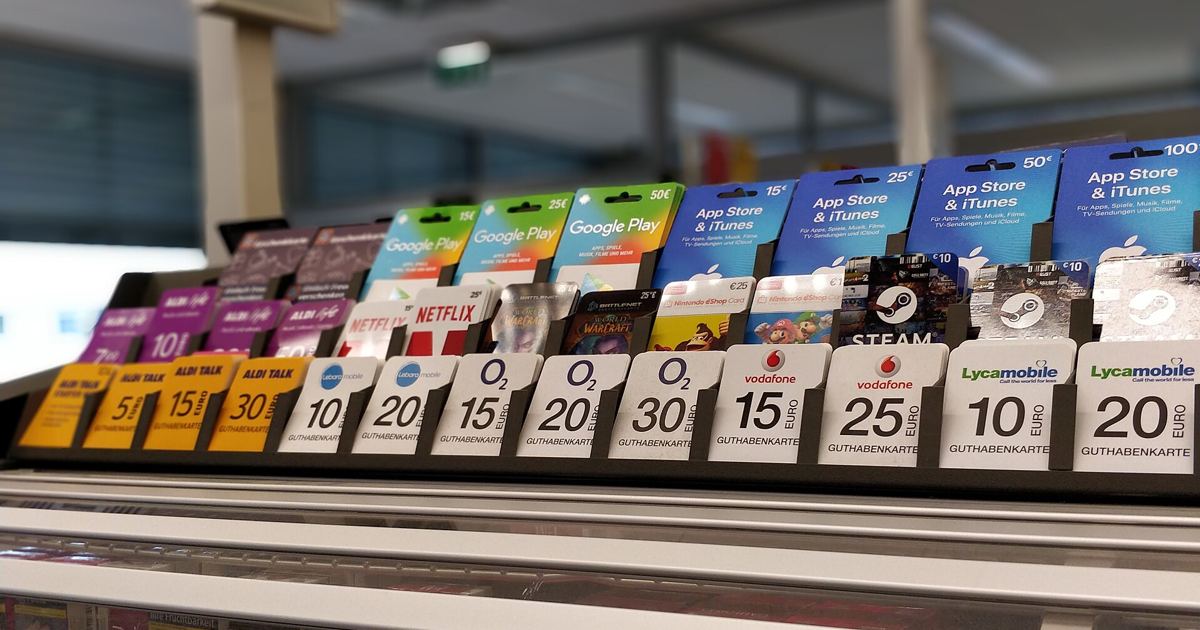
Picking up a prepaid card from a store display rack might look as simple as grabbing a candy bar, but prepaid products function much more like payment accounts than simple gift items. Because different cards carry different rules, costs, and terms, shopping without inspecting the package can lead to unexpected expenses. Before taking a card to the checkout register, shoppers should carefully compare fees and restrictions to choose the card that best aligns with how they plan to spend and manage their money.
Examine the Required Packaging Disclosure Chart
Retail prepaid card shoppers do not have to guess what an account costs before purchasing it. Under the Consumer Financial Protection Bureau's guide on what to consider when buying a prepaid card at a store, federal rules require prepaid card providers to give consumers specific information regarding fees and terms prior to purchase. These required summaries are known as disclosures.
When looking at card packaging hanging in a retail aisle, look for the mandated disclosure chart printed directly on the exterior. This chart lists key fees and other core account information to help consumers comparison shop right at the shelf. Because fee structures vary considerably across different cards, reviewing this chart enables you to evaluate how routine transactions—such as maintaining an open balance, withdrawing cash, or keeping the card active—will affect your overall balance.
Calculate Total Checkout Costs and Minimum Initial Loads
When you take a prepaid card to the retail cash register, the amount you hand over to the cashier covers more than just the money you plan to spend. A prepaid card purchase generally involves two distinct financial components at the counter:
- The initial load: This is the starting dollar balance you choose to place onto the card for your future spending.
- The cost of the card: This is the purchase or retail acquisition fee charged simply to buy the physical card package itself.
- Minimum funding requirements: Certain prepaid cards require shoppers to load a minimum dollar amount onto the card at the time of purchase.
Checking the package for minimum load requirements ensures that the card fits your immediate budget before the cashier rings up the sale. If you only intended to load a small amount for a single purchase, a card with a mandatory higher minimum initial load will require more cash upfront than you planned.
Look for Error Resolution and Liability Protections
Not every card sold on a retail rack delivers identical protections if a transaction goes wrong. When evaluating different prepaid card packages, check whether the terms include liability protections and formal error resolution processes. If an unauthorized charge occurs, or if a merchant bills your card incorrectly, having established liability and error resolution rights provides a structured mechanism to dispute the issue and seek reimbursement.
Additionally, review whether the card provider furnishes regular account history activity reports. Having clear access to transaction records allows you to monitor your balance, track recent expenditures, and spot any questionable charges promptly. Reviewing our breakdown on how to shop for and buy a prepaid card can help you evaluate how these account protections function across different products.
Confirm Registration and Identity Verification Rules
One of the most critical security elements to evaluate on the card package is whether the card can be registered. Unregistered cards offer minimal recourse if physical plastic is misplaced or stolen. According to the CFPB's retail prepaid card shopping advice, buyers should confirm that the card allows registration and that the card issuer verifies consumer identification after purchase.
Taking the step to register the card and ensuring the company verifies your identity helps protect your deposited funds in the event that someone steals the card or attempts to misuse your money. Skipping registration leaves your loaded funds vulnerable. To understand why setting up your profile properly matters, read our guide on prepaid card registration mistakes that put your money at risk.
Review the Provider Website for Full Account Details
While retail packaging contains a required summary chart of key terms, store packaging space is inherently limited. Federal rules require prepaid packaging to provide a website address where shoppers can inspect more detailed information online. If you have questions about specific usage scenarios, account restrictions, or detailed service terms that are not fully answered on the packaging chart, look up the listed website on your mobile phone before completing the transaction at the register.
Quick In-Store Selection Checklist
Before you pay for a prepaid card at the store counter, run through this quick checklist:
- Review the packaging chart to identify all listed fees and compare them against nearby cards.
- Check if the card enforces a mandatory minimum initial load amount.
- Add the purchase cost of the physical card to your initial load to know your true out-of-pocket register total.
- Verify that the card includes liability safeguards, error resolution processes, and account history activity reports.
- Confirm the card can be registered and that the issuer conducts identity verification to protect stolen or misused funds.
- Locate the listed website address on the package if you need to inspect full disclosures prior to purchase.
Sources
Published October 30, 2026. No affiliate links on this page. Facts come from the sources linked above; check them for updates.