
How to Shop for and Buy a Prepaid Card: A Step-by-Step Guide
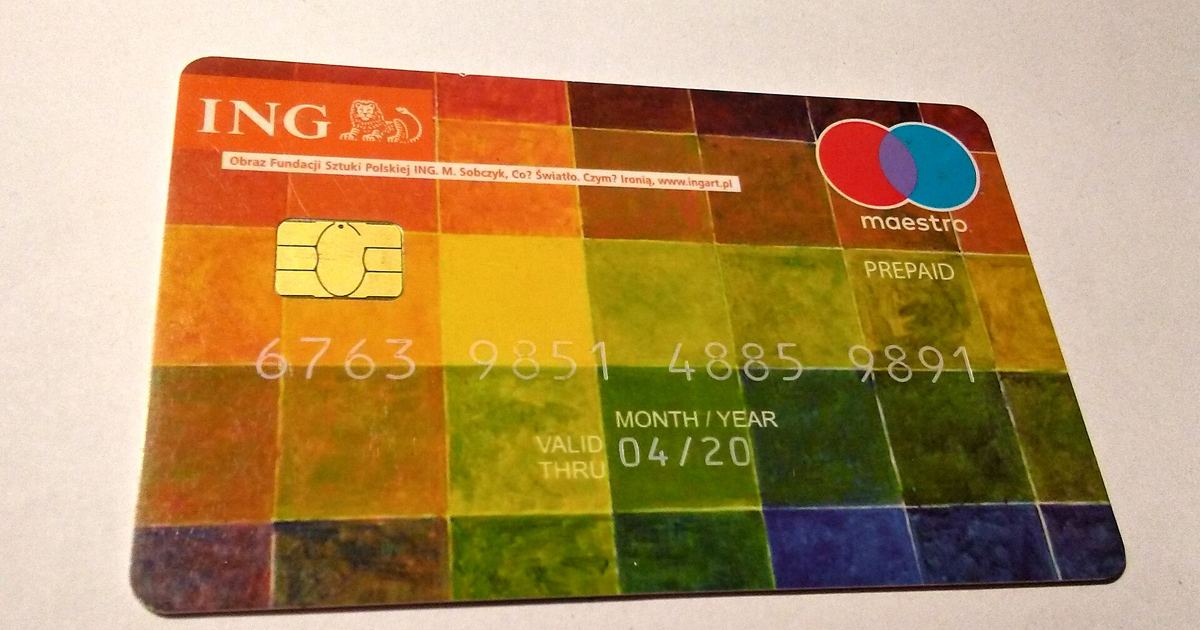
Prepaid cards provide a practical way to make purchases, manage everyday spending, and handle funds without opening a traditional checking account. However, picking the right one requires careful shopping because card features and pricing vary significantly between providers. Even though a prepaid card may look nearly identical to standard credit cards, gift cards, or bank debit cards, it operates under completely different terms. Taking the time to evaluate card features, compare disclosures, and complete identity verification helps ensure your money is accessible and secure. Use this practical walkthrough to navigate the process from store aisle to active use.
Step 1: Check Acceptance Networks and Usage Restrictions
Before purchasing any card, consider exactly where and how you intend to spend your funds. Prepaid cards that feature a major network brand logo—such as Visa, MasterCard, American Express, or Discover—can be used anywhere that accepts that specific network brand. Choosing a card backed by one of these four major networks gives you the flexibility to pay for purchases across a broad range of retail and online storefronts.
Other cards have narrower functionality. Some cards have specific limitations on how or where they can be used, such as only operating at automated teller machines (ATMs) or functioning exclusively at certain types of stores. If you need a card for broad utility rather than a specialized merchant category, check the network logo on the package first. Understanding these differences also helps you distinguish reloadable products from retail-specific gift cards, which we cover in our guide to protecting gift cards from scams.
Step 2: Read the Packaging to Compare Fees
There are many types of prepaid cards available, and each card program establishes its own unique features, fees, and fee structures. Rather than grabbing the first card you see on a rack, compare the options directly at the store. Card packaging lists key fees and critical account terms right on the exterior, allowing shoppers to comparison shop between different card programs before spending any money.
The exterior packaging also lists a website address where you can find more detailed disclosures about the program. Checking that website gives you a comprehensive view of what you might pay for ongoing use, such as regular transactions, maintenance, or withdrawals. As highlighted by the Consumer Financial Protection Bureau's prepaid card shopping guide, comparing these features and fee models across competing cards is the most effective way to secure a card that fits your budget. Learning how terms differ across payment types can also help you sidestep unnecessary charges, similar to the strategies in our guide on how to avoid ATM fees.
Step 3: Decide Where to Buy and Fund the Initial Load
Shoppers have multiple channels available when purchasing a prepaid card. You can purchase cards across several everyday venues, including:
- In-person retail locations, such as grocery stores and drug stores
- Online through card provider websites
- Over the telephone directly with card issuers
- In person or online through participating banks and credit unions
When ordering online, the card provider may provide you with a virtual card for immediate digital transactions, or they may mail a physical card to your address. Regardless of where you buy, the upfront cost at checkout includes the purchase price of the card itself plus the initial amount of money you want loaded onto the account. This upfront deposit is known as the initial load, and shoppers should note that some cards enforce a mandatory minimum initial load at the register.
Step 4: Register Your Card to Protect Your Funds
Buying the card is only the first part of the process; you must also register your reloadable card to protect your money against loss or theft. If an unregistered card is lost or stolen, your remaining balance could be permanently lost. Registering your card also makes you eligible for deposit insurance, which provides essential financial security for your balance.
During the registration process, card issuers request specific personal details to establish your account. Be prepared to provide the following information:
- Full name
- Street address (note that card issuers do not accept P.O. boxes)
- Date of birth
- Email address
- Phone number
- Social Security number, taxpayer identification number, or an alternative identifying number if you are not a U.S. citizen
Step 5: Verify Your Identity to Access Full Account Features
Providing your personal details allows the provider to verify your identity, which is a required step before you can use the card's most important functions. Without completed identity verification, card issuers may restrict your account access, preventing you from adding more money, shopping online, or making cash withdrawals at an ATM.
According to the CFPB guidance on buying prepaid cards, completing registration and identity verification ensures that your funds remain protected and that you have full access to all advertised account features. Taking a few minutes to submit your verification details right after checkout guarantees your card is fully functional whenever you need it.
Sources
Published October 28, 2026. No affiliate links on this page. Facts come from the sources linked above; check them for updates.