
What Is a Buy Here, Pay Here Car Loan? Financing Explained
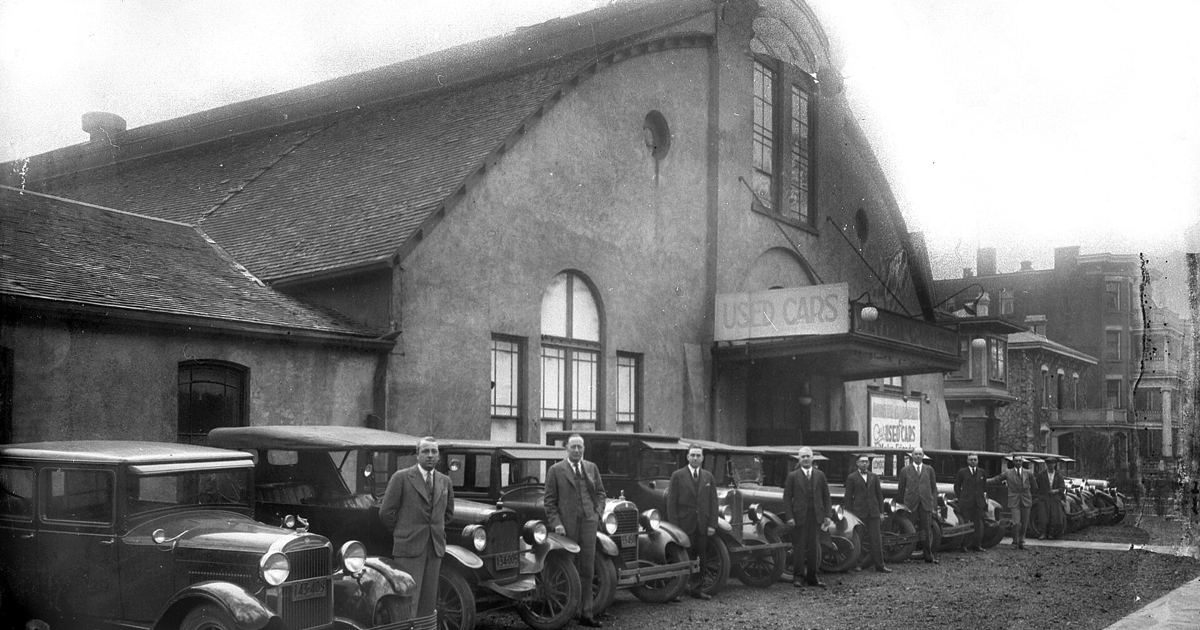
When you need a car but have an imperfect credit background, advertisements promising instant approval can seem like a straightforward solution. Dealerships frequently display banners offering financing without reviewing credit records, presenting themselves as a quick path to getting behind the wheel. However, entering into an arrangement where the seller is also the direct lender carries significant financial trade-offs that every household should understand before signing a contract.
How does a "buy here, pay here" or "no credit check" dealership work?
At a standard vehicle dealership, the business sells the automobile while an outside financial institution—such as a bank or a credit union—provides the underlying loan. In contrast, when a car dealer advertises "buy here, pay here" or "no credit check," they typically finance auto loans "in-house." This means that instead of connecting you with an independent third-party lender, the dealership itself lends you the money to purchase the vehicle directly from their lot.
According to the Consumer Financial Protection Bureau (CFPB), these in-house arrangements are structured specifically for buyers who do not qualify for conventional financing. Rather than submitting an application to outside financial institutions to evaluate creditworthiness, the dealership handles both the purchase contract and the loan underwriting under one roof.
Who do these auto dealerships typically market to?
Dealers offering in-house financing frequently tailor their advertising toward specific consumers facing borrowing challenges. In particular, these operations tend to market to:
- Borrowers who have no established credit history.
- Consumers who have poor credit.
- Service members, often using promotional phrasing such as "military E-1 and up."
Because traditional auto lenders set borrowing requirements that might exclude individuals without strong credit records, these dealerships present their lots as an accessible alternative for shoppers who feel they have few other vehicle options.
What are the different ways to finance a car purchase?
If you are shopping for a vehicle, you do not have to rely solely on in-house dealer financing. There are multiple ways to finance an auto loan:
- Working directly with a bank or credit union: You can apply directly with a financial institution to secure an auto loan before or during your vehicle search.
- Dealership-arranged financing: In this setup, the dealer collects your information and reaches out to several outside lenders on your behalf, subsequently presenting you with one of those loan offers.
- In-house dealership financing: Through a "no credit check" or "buy here, pay here" lot, the dealership provides the loan funds directly rather than involving third-party lenders.
Knowing these distinct paths allows buyers to compare different financing structures rather than assuming an in-house loan is their only path to purchasing transportation.
Why do buy-here, pay-here auto loans cost so much more?
The primary concern with buy-here, pay-here dealerships is the cost of borrowing. The interest rates on these loans tend to be higher than loans obtained from a bank, credit union, or other traditional lenders. A higher interest rate directly increases the total amount of money you pay over the life of your loan.
Auto lenders evaluate multiple factors when establishing loan terms and rates, including your credit history, credit score, income, existing debts, the total loan amount, the loan term, the down payment relative to vehicle value, and whether the car is new or used. Furthermore, lenders are not required to offer you the best available rates. When financing is arranged through a standard dealer, the dealership profits when it offers an interest rate higher than the rate received from the lender. With buy-here, pay-here operations, the elevated interest rates compensate the seller for funding borrowers with no credit or poor credit, substantially driving up long-term borrowing costs.
Will on-time payments at an in-house dealership rebuild your credit?
Many buy-here, pay-here lots advertise their financing programs as an effective method to rebuild damaged credit. However, as explained by the Consumer Financial Protection Bureau's guide on buy here pay here auto loans, the reality often works against the borrower.
These dealerships often furnish or report only negative payment information—such as missed or late payments—to credit reporting companies, while failing to report positive, on-time payments. Consequently, your persistent efforts to make on-time loan payments may not improve your credit standing at all. Yet, if you ever submit a late payment, that delinquency will be reported and hurt your credit score.
What steps should you take if you consider an in-house auto loan?
If you are evaluating whether to borrow from an in-house auto dealer, taking specific precautions can help protect your financial standing:
- Get reporting commitments in writing: If you decide to work with a buy-here, pay-here dealer, ask them to put in writing that they will report your on-time payments to the credit reporting companies so your good habits are recognized.
- Shop around and compare loan offers: Seek prequalification or preapproval from banks, credit unions, or other lenders before committing to in-house financing. Comparing offers helps verify whether you qualify for standard lending.
- Negotiate your financing terms: You can save money by negotiating for the best interest rate available to you. Negotiating can be as simple as directly asking the dealer if you qualify for a loan with better terms.
Sources
- Consumer Financial Protection Bureau: What is a “no credit check” or “buy here, pay here” auto loan or dealership?
- Consumer Financial Protection Bureau: How does a lender decide what interest rate to offer me on an auto loan?
Published October 28, 2026. No affiliate links on this page. Facts come from the sources linked above; check them for updates.