
Shrinkflation: how to spot smaller packages at the same price
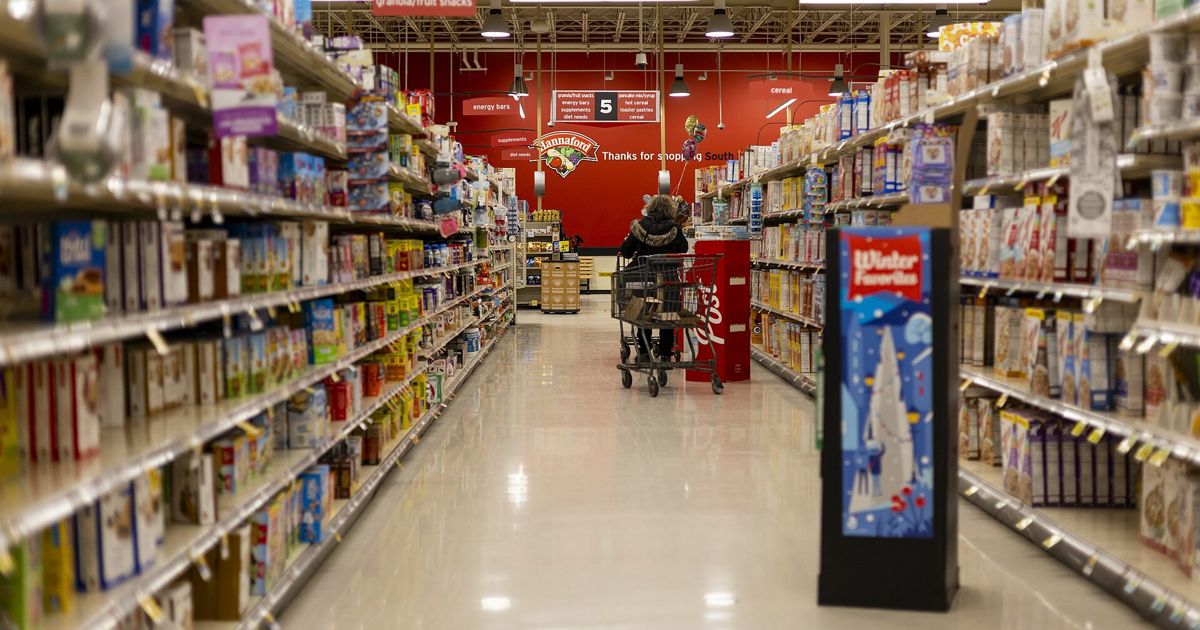
Your favorite cereal box looks the same, the price tag hasn't moved, but there's less inside. That's shrinkflation: a price increase hidden in a smaller package. It's legal as long as the label states the real net quantity, but it quietly raises what you pay per ounce, sheet or count.
- Shrinkflation is a price increase measured per unit, not per package.
- The unit price on the shelf tag is your best tool to catch it.
- Store brands and bigger sizes often (not always) beat the shrunken name-brand package.
How big a problem is it?
The U.S. Bureau of Labor Statistics already accounts for size changes in the Consumer Price Index by tracking prices on a per-unit basis, so a smaller package at the same price counts as a price increase. In its analysis, BLS Beyond the Numbers: measuring shrinkflation, BLS found the effect on overall inflation is small, but it is concentrated in certain categories such as snacks, cereal, and household paper products. The Government Accountability Office reached a similar conclusion in GAO-25-107451: Trends and policy options related to shrinking product sizes: the impact on the overall price index is modest, but specific products and shoppers who buy them regularly feel it.
In other words, shrinkflation won't wreck your whole budget, but it can add up on the dozen items you buy every week.
Where it shows up most
- Snacks and chips: fewer ounces in the same-size bag, or more air.
- Cereal and crackers: thinner boxes that look the same from the front.
- Paper products: fewer sheets per roll, or smaller sheets.
- Personal care: shampoo, body wash and toothpaste in slightly smaller bottles and tubes.
- Coffee and ice cream: classic examples of "same container, less product."
How to catch it
- Read the net quantity, not the package. The weight, volume or count on the front panel is the only number that matters.
- Use the unit price. Most shelf tags show price per ounce, per sheet or per 100 count. Our unit pricing guide shows how to read them and how to do the math when the tag uses different units.
- Keep a short price book. For your top 10 to 15 staples, note the size and the price per unit. A change jumps out immediately.
- Watch for "new look" packaging. A redesign is a common moment for a size change.
What to do about it
- Compare with the store brand. Store brands are often priced lower per unit, though they can shrink too.
- Check the bigger size. Larger packages are usually cheaper per unit, but not always, especially when the small size is on sale.
- Stack coupons on unit price, not sticker price. A coupon on a shrunken package can still lose to an un-couponed competitor (see coupon stacking 101).
- Switch when it makes sense. Brand loyalty is what shrinkflation relies on.
The bottom line
Shrinkflation is easy to miss and easy to beat once you shop by unit price. Spend five minutes setting up a price book for your weekly staples and you'll catch every quiet price hike.
Published October 27, 2026. We do not use affiliate links on this page; see our Affiliate Disclosure.