
Disputing a Debt You Paid or Do Not Owe: A Step-by-Step Guide
Suppose you open your mailbox to find a collection notice demanding payment for an account you settled long ago, or for a balance you never incurred in the first place. Your immediate reaction might be to throw the letter away or ignore incoming phone calls. However, consumer protection regulators emphasize that you should not avoid or ignore a debt collector. Taking prompt, structured action allows you to exercise your legal protections and halt improper collection attempts.
Scenario Stage 1: Reviewing the Validation Notice
When a collection agency initiates contact, the law generally requires the business to supply specific validation information. This details the claim against you so that you can examine the balance and dispute errors. In this hypothetical scenario, the collection letter—known as a validation notice—serves as your roadmap. By law, validation information must include the following items:
- The specific name of the creditor.
- The total balance owed.
- A statement explaining that you can dispute the debt, and that if you do not dispute it within 30 days, the collector will assume the debt is valid.
- A notice that if you dispute the balance in writing within 30 days, the collector will provide formal verification of the debt.
- A statement that if you request the original creditor's name and address in writing within 30 days (if different from the current creditor), the collector must supply that data.
When you receive this written notice, it will specify the exact end date of your 30-day dispute window.
Scenario Stage 2: Responding to a Debt You Already Paid
If your scenario involves a bill that has already been resolved, you must notify the collector that payment occurred by providing proof. Before releasing financial information, always confirm that the contact is not an unauthorized scam. You can review how to tell if a debt collector is legitimate or a scam to evaluate the agency before sending documents.
Once you verify that you are communicating with a legitimate business, provide documentation showing that the balance was paid. Useful records include copies of credit card statements, cancelled checks, or written settlement letters. Never mail original paperwork. Send only copies so you retain your original files as evidence. If you do not have proof of payment or settlement correspondence, reach out directly to the creditor you originally paid to request those records.
Scenario Stage 3: Submitting a Written Dispute Within 30 Days
If you do not recognize the obligation or believe the amount is wrong, you have 30 days from receiving the validation notice to dispute all or part of the debt. According to the Consumer Financial Protection Bureau debt dispute guidance, consumers can use published sample letters to draft their response, although these templates do not serve as formal legal advice.
Submitting your dispute in writing within this 30-day window triggers essential safeguards. Once you issue the dispute, the debt collector cannot call or contact you to collect the debt until they have responded with verification. Furthermore, if you submit a written request within that same 30 days asking for the name and address of the original creditor, the collector is legally required to halt all debt collection activities until that information is sent to you.
Scenario Stage 4: Creating a Paper Trail and Sending Certified Mail
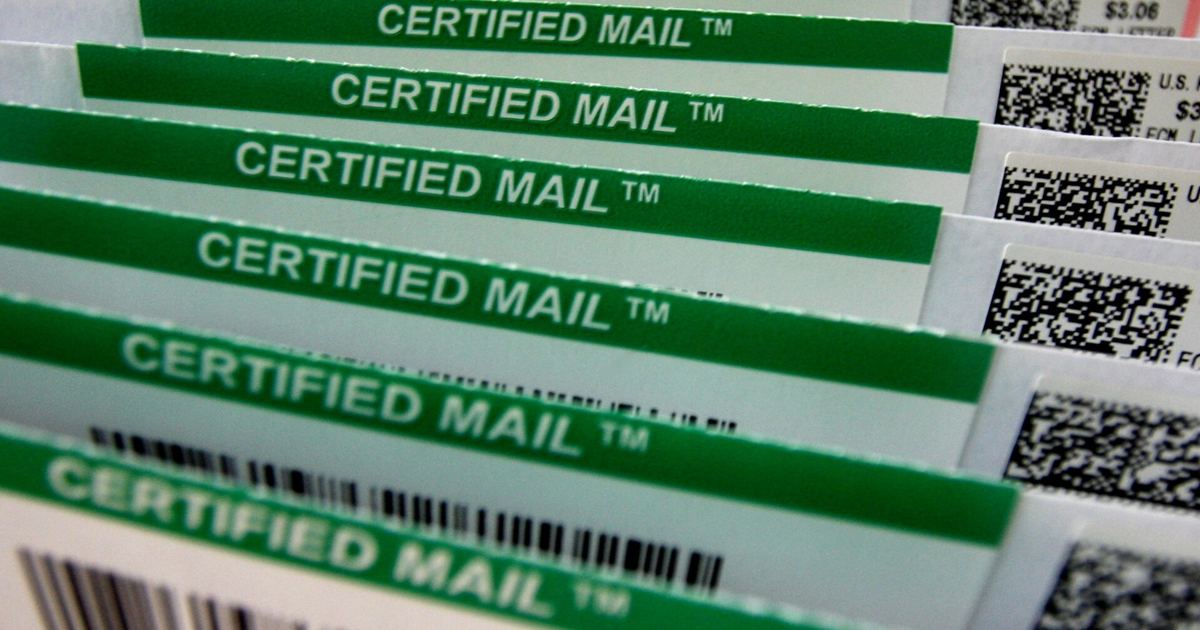
In any disputed collection scenario, maintaining strict documentation protects your interests. Make a copy of your written dispute letter for your personal files and send the original letter to the collector. The safest method is sending your dispute through certified mail with a return receipt requested. Purchasing a return receipt gives you physical proof of delivery confirming exactly when the debt collector received your dispute.
Build a dedicated file containing every document the collection agency sends you, alongside copies of every letter you mail back. In addition, record the dates and times of all telephone interactions, accompanied by detailed notes summarizing what was said. These organized records can protect you if you face an unresolved dispute, consult an attorney, or appear in court.
Scenario Stage 5: Escalating Unresolved Disputes
If a debt collector fails to respect your dispute, continues to demand payment without providing debt verification, or violates your rights, you have formal administrative recourse. You can submit an official complaint directly through the CFPB complaint portal to address abusive or improper debt collection practices.
Sources
Published October 28, 2026. No affiliate links on this page. Facts come from the sources linked above; check them for updates.