
Bank or Credit Union Outage Quick Reference: What Happens and What to Do
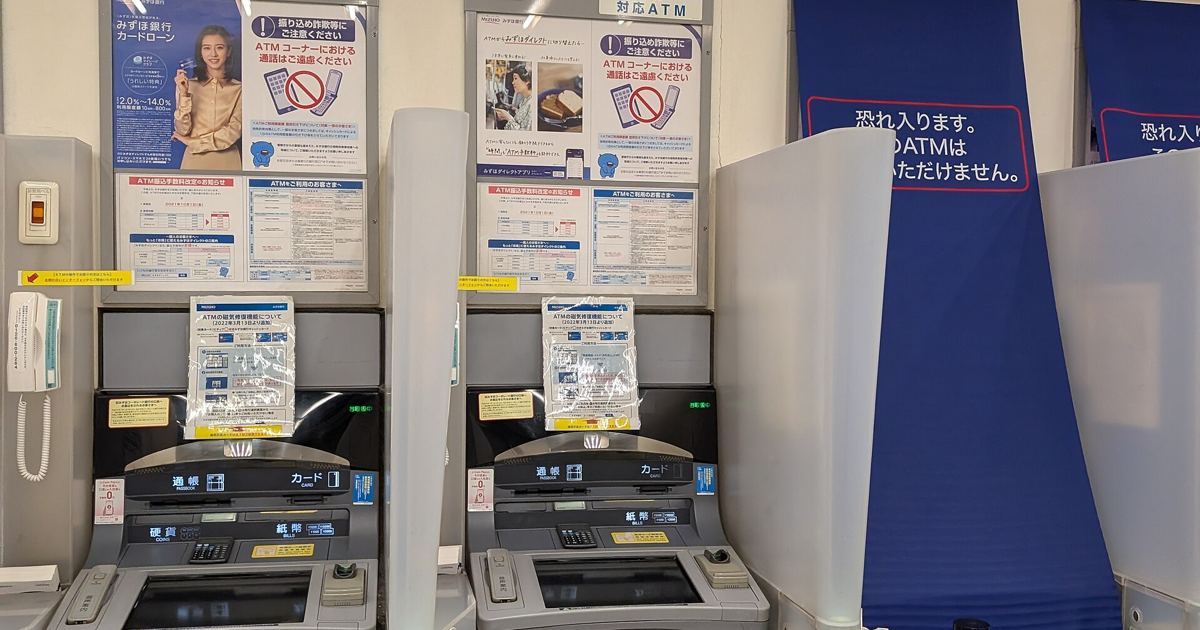
When online banking shuts down or debit card transactions are declined without warning, everyday transactions can grind to a sudden halt. Technology glitches and system outages can leave you locked out of your digital dashboard right when bills are due or groceries need to be purchased. Knowing how consumer protections work and having a checklist of operational workarounds can help you access your cash, protect your scheduled obligations, and prevent avoidable financial penalties.
Is Your Money Safe During a Technical Glitch?
A digital outage can feel alarming, but a temporary computer breakdown does not mean your balance has vanished. According to the Consumer Financial Protection Bureau's guide on bank and credit union outages, your money remains protected even during an active system failure. Federal deposit safeguards remain fully in place regardless of software interruptions.
If your money is deposited in a bank insured by the Federal Deposit Insurance Corporation (FDIC) or a credit union insured by the National Credit Union Administration (NCUA), your funds are protected up to $250,000 per unique account. This statutory backing protects your funds even in the extreme event that the financial institution fails or closes permanently. An online glitch is an operational problem, not a loss of your underlying insured deposits.
First Actions: Connecting With Customer Support
Your opening move should be to reach out directly to your financial institution to determine the cause of the problem and learn when services are estimated to resume. Banks and credit unions generally deploy technical teams during an outage and may offer alternative communication lines.
You can get in touch by using customer service online, over the phone, or by visiting a physical branch location in person. In some instances, financial institutions publish real-time status notices on public social media channels. If you decide to contact customer support through social media, remember not to include any personal information or account numbers in your public posts or comments.
Alternate Ways to Access Your Funds
Depending on which system layer has failed, you may still have several practical pathways to spend or withdraw your money. Outages frequently affect only specific channels, such as a mobile application or debit card processing network, while other pathways continue working.
- When your banking card is down: Try writing a paper check for purchases, initiating transactions through a mobile app, or visiting a teller station to withdraw cash in person.
- When online banking is inaccessible: Call the customer support phone number printed on the back of your payment card to speak with a representative, or use the institution's automated phone system to complete basic inquiries.
- When the main portal is stalled: Test whether an alternate app provides account access, or take out cash directly from an ATM. You can also visit a physical branch to handle withdrawals at the counter.
Managing Automatic Payments and Scheduled Bills
A platform outage can disrupt routine transfers, raising concerns about missed due dates for rent, utilities, or loan obligations. You will want to verify whether prearranged withdrawals and scheduled transfers are still processing behind the scenes. If you rely on automatic drafts to cover regular expenses, reviewing how automatic bank payments work can help you evaluate how recurring debits function when system disruptions occur.
If recurring debits or bill payments have halted because of the outage, make arrangements to submit those payments using a different payment method so your obligations arrive on time. Keep a log of any steps you take so you can track alternative payments and reconcile them once systems are fully restored.
Requesting Fee Reversals After an Outage
Technical malfunctions often trigger unexpected penalty fees across linked accounts. For example, a stalled deposit might trigger an unexpected deficit, making it critical to understand how to avoid debit card overdrafts and know your rights when fees are beyond your control.
If you are charged fees for withdrawals, deposits, or other transactions as a result of the steps you had to take while systems were down, contact your bank or credit union immediately. Explain the situation clearly and ask the institution to credit your account for those charges. You can specifically ask them to reverse and credit your account for late fees, overdraft charges, or insufficient funds fees caused directly by the system failure.
Avoiding Phishing Scams and Submitting Complaints
Scammers regularly exploit technical confusion to steal sensitive financial credentials. Fraudsters might contact you via email, text message, telephone calls, or direct messages on social media while posing as your bank or credit union. To stay secure, only contact your institution using the official customer service phone number printed on your account statement or on the back of your debit card.
If an institution refuses to fix an error or reverse unfair penalty fees caused by its outage, you have the option to escalate the dispute. The CFPB accepts consumer complaints regarding checking accounts, savings accounts, and other banking services online or over the telephone at (855) 411-2372. Additionally, consumers can check out usa.gov to locate regulatory avenues for complaints regarding internet, telephone, and cable companies, as well as providers of other consumer products and services.
Sources
Published November 9, 2026. No affiliate links on this page. Facts come from the sources linked above; check them for updates.